
James Skinner
James is the Founder & Chief Executive of
CANZUK International in Vancouver, Canada
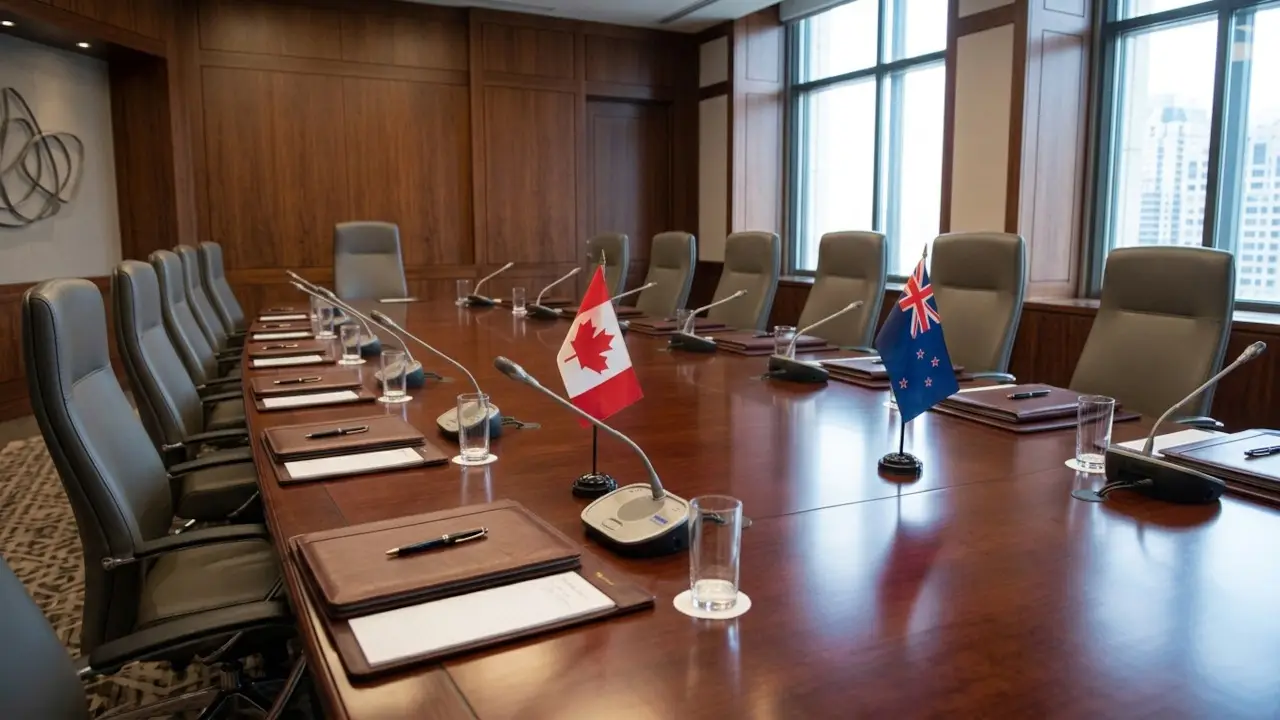
In a world increasingly defined by geopolitical turbulence, the CANZUK nations – Canada, Australia, New Zealand, and the United Kingdom – stand to be the next global economic and military superpower.
The rise of assertive powers like China, with its expanding military influence in the Indo-Pacific and economic dominance projected at $20.65 trillion in nominal GDP for 2026, alongside Iran’s escalating tensions in the Middle-East, has injected profound uncertainty into global affairs.
The United States, while remaining the world’s largest economy at $31.82 trillion, has adopted unpredictable policies, including tariffs and military engagements that disrupt supply chains and heighten energy risks, particularly through chokepoints like the Strait of Hormuz.
The United States, while remaining the world’s largest economy at $31.82 trillion, has adopted unpredictable policies, including tariffs and military engagements that disrupt supply chains and heighten energy risks, particularly through chokepoints like the Strait of Hormuz.

These dynamics underscore the urgent need for like-minded democracies to forge resilient alliances, and no other countries in the world are more suited for such an alliance as Canada, Australia, New Zealand and the United Kingdom.
CANZUK, united by shared values, history, and strategic interests, is uniquely positioned to emerge as the next global superpower, promoting international security and prosperity for its citizens while countering the instability sown by these rising powers.
The economic case for CANZUK is compelling, especially as global trade faces headwinds from protectionism and conflict. The combined nominal GDP of the four nations is projected to exceed $8.85 trillion in 2026, with the UK at $4.23 trillion, Canada at $2.42 trillion, Australia at $1.95 trillion, and New Zealand at approximately $0.25 trillion. This figure rivals major economies and positions CANZUK as a formidable bloc, larger than Japan ($4.46 trillion) and capable of challenging volatile actors globally.
Intra-CANZUK trade, already valued at around $3.5 trillion, highlights existing synergies in key sectors like energy, agriculture, and technology. Canada’s exports to the UK surged by $9.7 billion from January to September 2025, demonstrating rapid growth despite global economic uncertainty and U.S. tariffs.
In the face of China’s trade dominance and the U.S.’s protectionist stance, a formalized CANZUK free trade agreement could amplify these benefits. Harmonized standards and reduced tariffs would boost intra-bloc trade by billions, offsetting risks from external disruptions. Just as an example, Australia’s $1.95 trillion economy, which is vastly rich in minerals, could supply Canada’s manufacturing needs, while New Zealand’s $38 billion agricultural exports could enhance food security.
Mobility agreements encompassing skilled workers throughout a population of over 140 million citizens would further fuel innovation, with automatic professional recognition for doctors and engineers creating seamless opportunities and complementing economic growth.
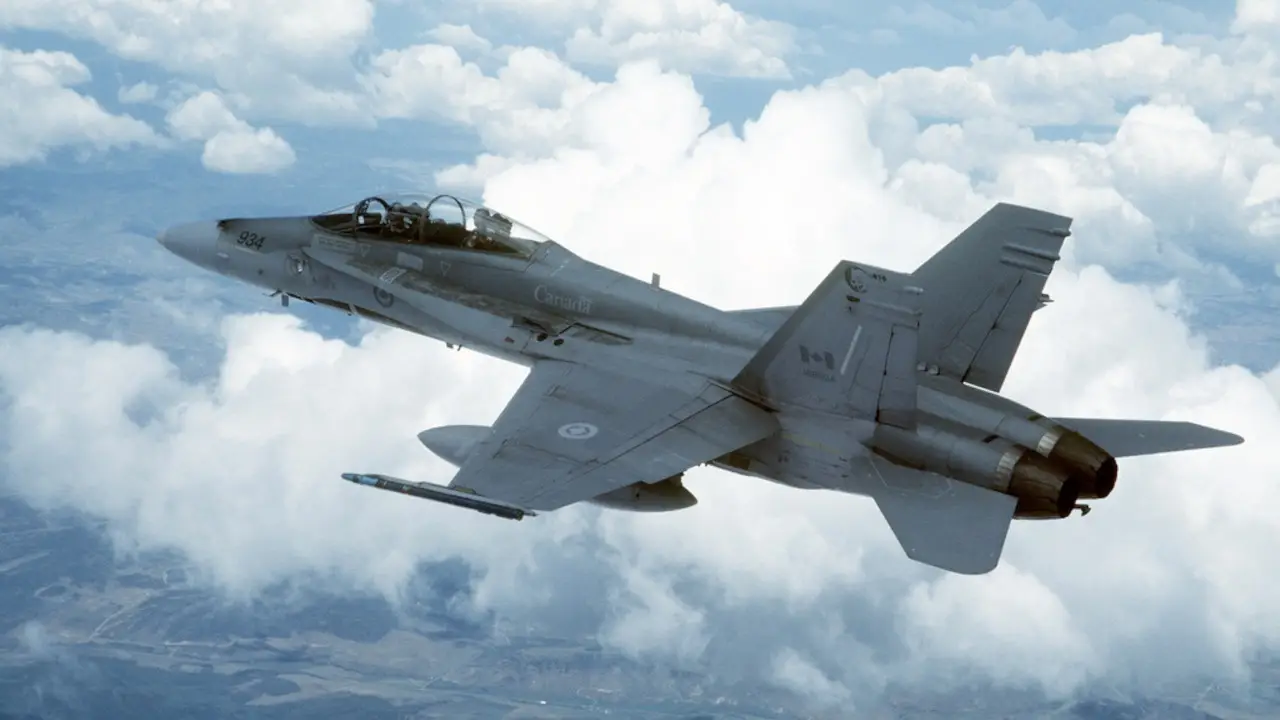
Furthermore, military collaboration would form the backbone of CANZUK’s superpower potential, countering the uncertainties from China’s military buildup, Iran’s proxy conflicts, and U.S. isolationism. The four nations’ combined defense spending exceeds $140 billion annually (the third largest in the world) enabling a world-class force that spans across oceans. The UK’s 2.5% GDP commitment, Australia’s $33 billion, Canada’s $29.1 billion (rising to $45.8 billion in projections), and New Zealand’s 2% target support advanced capabilities, including carriers and naval fleets. Existing ties, like the Five Eyes intelligence network and ABCANZ Armies, enhance joint operations, as seen in Operation Interflex training with over 54,000 Ukrainian troops.
This synergy would make CANZUK the world’s leading bloc for international security and citizen prosperity. Unlike rigid alliances, CANZUK’s flexible framework allows coordinated responses to threats like South China Sea assertiveness or Eastern European instability, without eroding sovereignty.
In an era where Iran’s conflict risks oil supply disruptions and U.S. actions heighten volatility, CANZUK offers diversified energy and trade routes. For citizens, benefits include enhanced job mobility, cultural exchange, and security.
CANZUK’s unity is not optional – it is imperative. By formalizing this alliance, we will secure a prosperous and stable future, exemplifying how like-minded democracies can thrive together on the global stage.
CANZUK, united by shared values, history, and strategic interests, is uniquely positioned to emerge as the next global superpower, promoting international security and prosperity for its citizens while countering the instability sown by these rising powers.
The economic case for CANZUK is compelling, especially as global trade faces headwinds from protectionism and conflict. The combined nominal GDP of the four nations is projected to exceed $8.85 trillion in 2026, with the UK at $4.23 trillion, Canada at $2.42 trillion, Australia at $1.95 trillion, and New Zealand at approximately $0.25 trillion. This figure rivals major economies and positions CANZUK as a formidable bloc, larger than Japan ($4.46 trillion) and capable of challenging volatile actors globally.
Intra-CANZUK trade, already valued at around $3.5 trillion, highlights existing synergies in key sectors like energy, agriculture, and technology. Canada’s exports to the UK surged by $9.7 billion from January to September 2025, demonstrating rapid growth despite global economic uncertainty and U.S. tariffs.
In the face of China’s trade dominance and the U.S.’s protectionist stance, a formalized CANZUK free trade agreement could amplify these benefits. Harmonized standards and reduced tariffs would boost intra-bloc trade by billions, offsetting risks from external disruptions. Just as an example, Australia’s $1.95 trillion economy, which is vastly rich in minerals, could supply Canada’s manufacturing needs, while New Zealand’s $38 billion agricultural exports could enhance food security.
Mobility agreements encompassing skilled workers throughout a population of over 140 million citizens would further fuel innovation, with automatic professional recognition for doctors and engineers creating seamless opportunities and complementing economic growth.
Furthermore, military collaboration would form the backbone of CANZUK’s superpower potential, countering the uncertainties from China’s military buildup, Iran’s proxy conflicts, and U.S. isolationism. The four nations’ combined defense spending exceeds $140 billion annually (the third largest in the world) enabling a world-class force that spans across oceans. The UK’s 2.5% GDP commitment, Australia’s $33 billion, Canada’s $29.1 billion (rising to $45.8 billion in projections), and New Zealand’s 2% target support advanced capabilities, including carriers and naval fleets. Existing ties, like the Five Eyes intelligence network and ABCANZ Armies, enhance joint operations, as seen in Operation Interflex training with over 54,000 Ukrainian troops.
This synergy would make CANZUK the world’s leading bloc for international security and citizen prosperity. Unlike rigid alliances, CANZUK’s flexible framework allows coordinated responses to threats like South China Sea assertiveness or Eastern European instability, without eroding sovereignty.
In an era where Iran’s conflict risks oil supply disruptions and U.S. actions heighten volatility, CANZUK offers diversified energy and trade routes. For citizens, benefits include enhanced job mobility, cultural exchange, and security.
CANZUK’s unity is not optional – it is imperative. By formalizing this alliance, we will secure a prosperous and stable future, exemplifying how like-minded democracies can thrive together on the global stage.
Share this:
Facebook
Twitter
LinkedIn
WhatsApp
Email